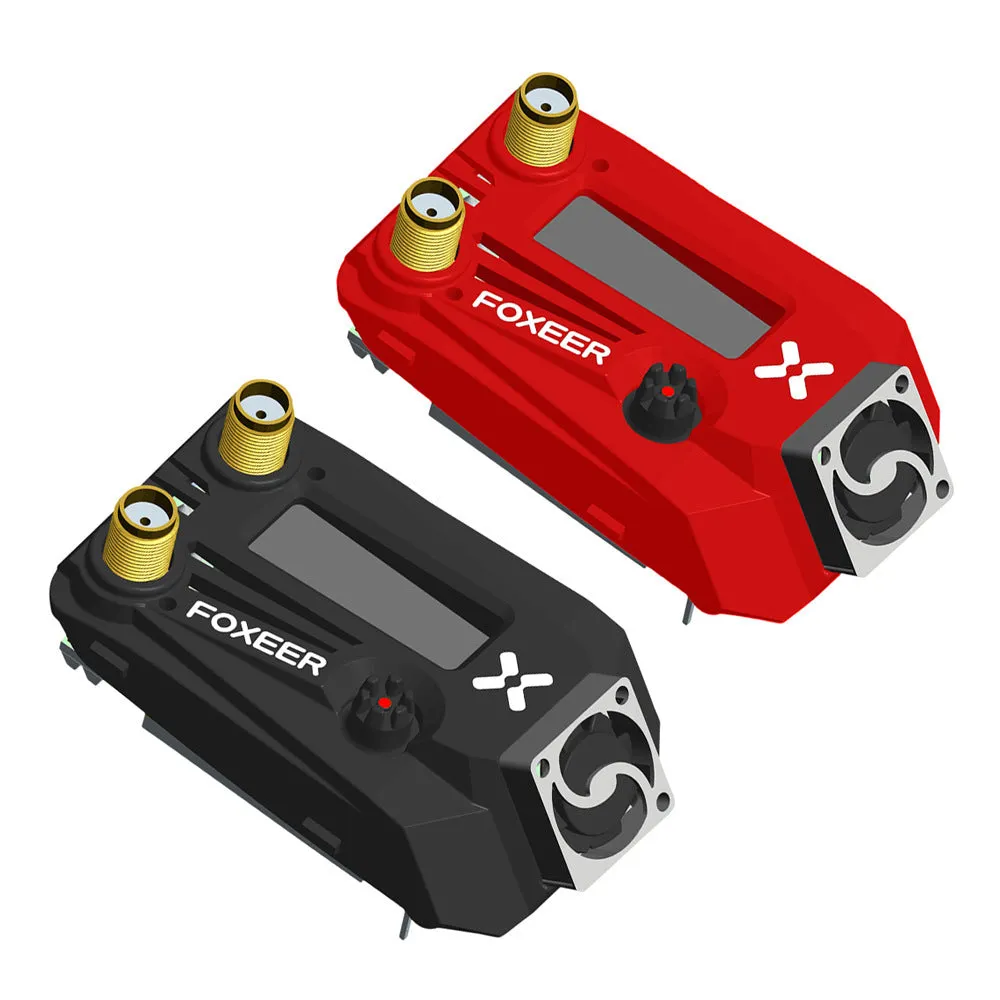
Wildfire Glasses FPV dual receiver video headset compatible with Fatshark Flying Shark, featuring a lightweight 58g battery-powered design ideal for FPV drone flying and immersive video experiences.


Wildfire Glasses FPV dual receiver video headset compatible with Fatshark Flying Shark, featuring a lightweight 58g battery-powered design ideal for FPV drone flying and immersive video experiences.
Wildfire FPV Glasses: Lightweight Dual Receiver Video Headset for Drone Pilots
For FPV drone enthusiasts and video hobbyists seeking a practical and compatible viewing solution, the Wildfire Glasses offer a straightforward entry point. This dual receiver video headset is designed to work with popular Fatshark Flying Shark systems, providing an immersive first-person perspective from your drone or video source. Its primary focus is on core functionality—delivering a video feed without excessive weight or complex setup. The battery-powered design adds a layer of convenience, freeing you from power cables during flight sessions or mobile use. Aimed at the youth demographic, its profile suits users who value a simple, wearable display for their aerial or video adventures.
Features and Construction

The Wildfire Glasses are built around a few key, user-focused specifications that define their use case. The construction prioritises a lightweight experience and broad compatibility within the FPV ecosystem.
Material and Build
While specific housing materials are not detailed, the product's notable specification is its total weight of 58 grams. This lightweight build is a central feature, aiming to reduce fatigue during extended wear, which is a common consideration for FPV pilots during long flight sessions or practice. The design incorporates a dual receiver system, which is intended to provide a more stable and reliable video signal by utilising two reception paths, a practical feature for maintaining a clear video link.
Size and Practical Fit
The physical dimensions are not provided beyond the total weight. The product's fit and ergonomics are implied through its target age group of 15 to 35 years old, suggesting a design scaled for older teenagers and adults. The black colour scheme offers a neutral aesthetic that is common for technical gear. The absence of detailed size measurements means users should consider the standard form factor of similar FPV headsets when evaluating fit.
Uses and Placement

The application of these glasses is clearly defined by their FPV (First Person View) designation and compatibility. They serve as a dedicated display device for real-time video feeds.
Event or Professional Use
In more involved scenarios such as drone racing, aerial photography, or FPV freestyle flying, the dual receiver system aims to minimise video break-up or signal loss, which can be critical for precise control and navigation. The lightweight nature helps pilots maintain comfort and focus during competitive events or lengthy professional shoots where headset wear time is considerable. Compatibility with Fatshark systems allows them to integrate into existing rigs used by many in the FPV community.
Everyday Home Use
For hobbyists practicing in local parks, beginners learning the basics of FPV flight, or users exploring other video display applications, the battery-powered operation provides significant convenience. It allows for setup and use anywhere without searching for a power socket, making impromptu flight sessions easier. The simple package containing one receiver indicates a straightforward setup process suitable for home users without extensive technical expertise.
Benefits and Buying Value
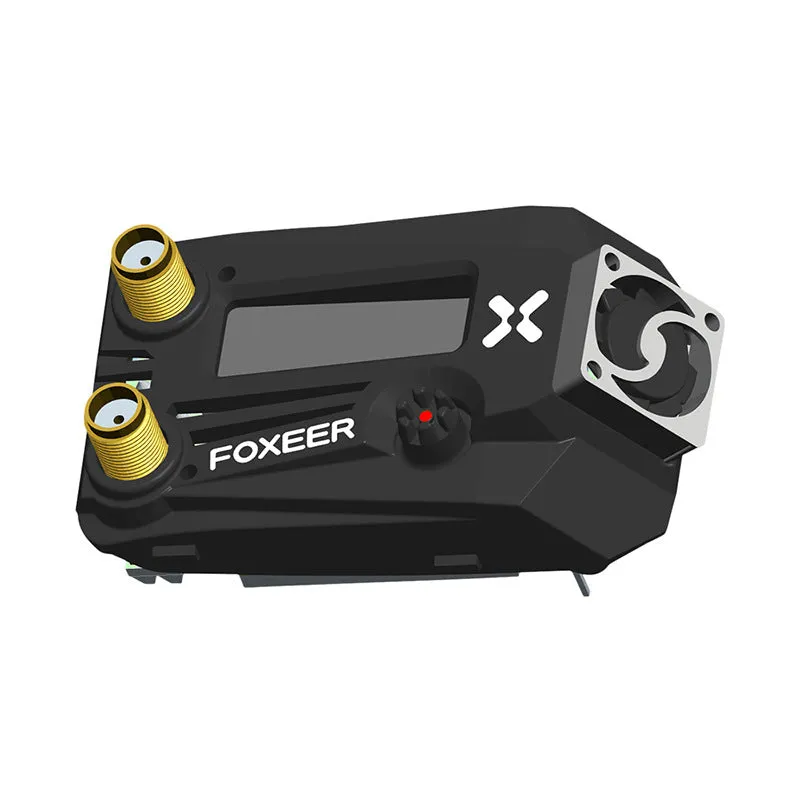
The value of this product lies in its combination of specific, practical features that address common needs in the FPV and video display space.
Reuse and Low Maintenance
The product's value is enhanced by its compatibility, as it can be reused with different Fatshark-compatible video transmitters across multiple projects or drone builds. The battery-powered design reduces wear on physical ports from frequent plugging and unplugging. With no complex mechanical parts mentioned, the maintenance profile is likely centred on basic care of the lenses, electronics, and battery.
Why Choose This Product
Choosing the Wildfire Glasses is a decision based on a few concrete factors: the need for a lightweight FPV headset to reduce neck strain, the requirement for compatibility with a Fatshark ecosystem to avoid adapter hassles, and the desire for the signal redundancy offered by a dual receiver setup. It presents a focused solution for users whose primary need is a functional, wearable display that prioritises these specific attributes over unstated premium materials or advanced software features.