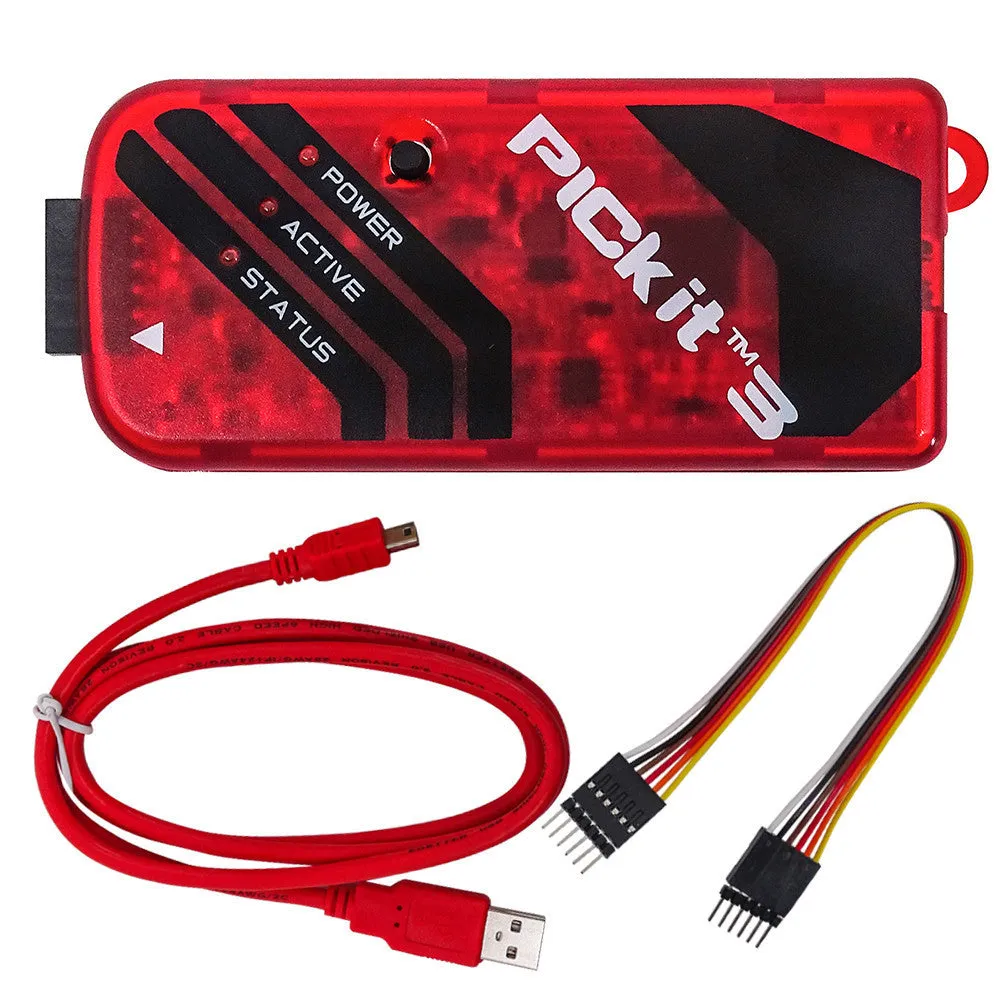
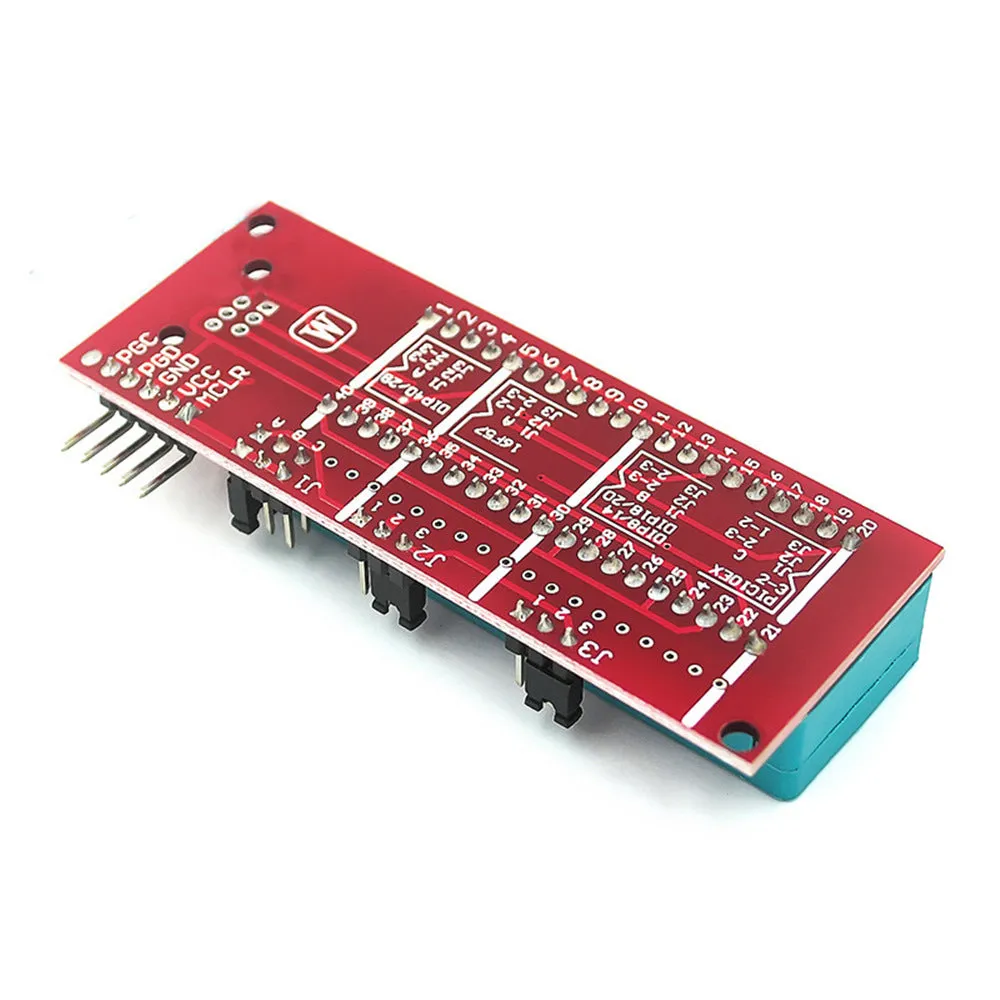
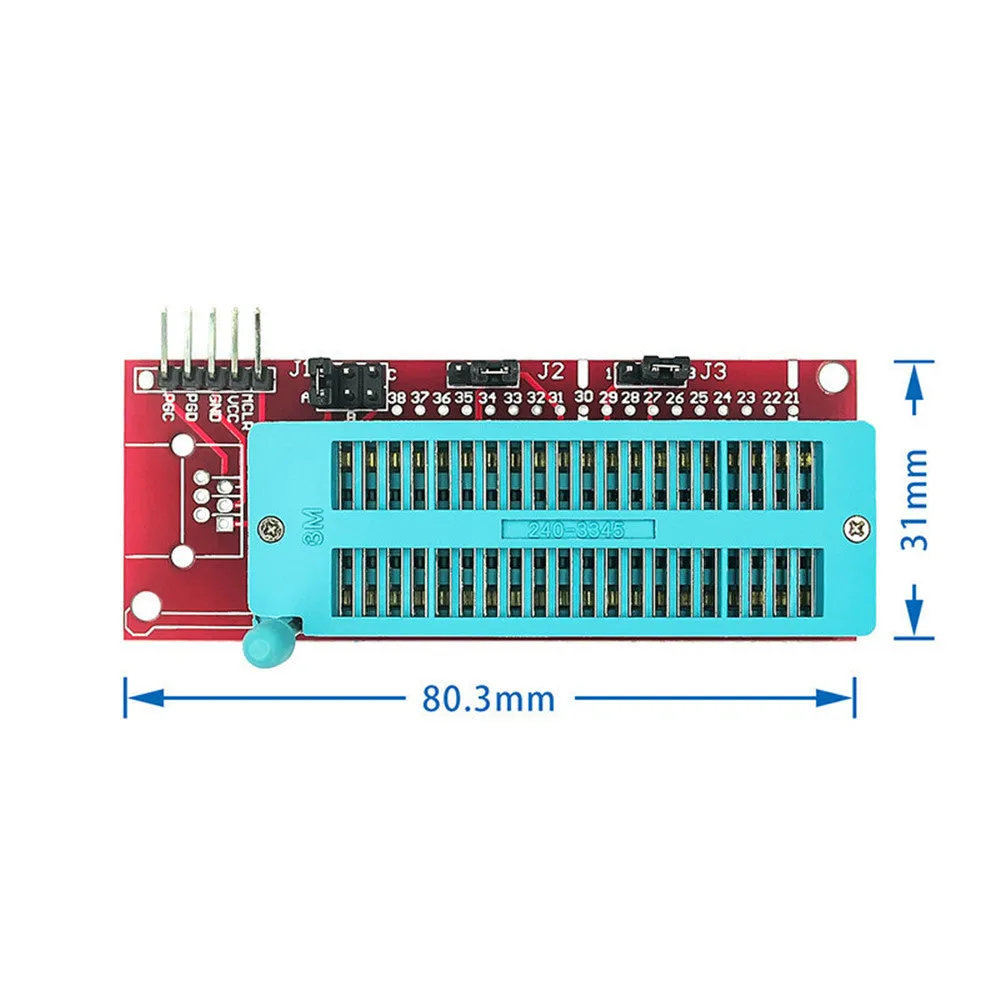
Offline simulation programmer burner for PIC microcontroller development featuring ICD2, KIT3, and KIT3.5 burning sockets and extensive power usage capabilities for hands-on programming without a PC connection


Offline simulation programmer burner for PIC microcontroller development featuring ICD2, KIT3, and KIT3.5 burning sockets and extensive power usage capabilities for hands-on programming without a PC connection
Offline Simulation Programmer Burner for PIC Microcontrollers with ICD2, KIT3, and KIT3.5 Sockets
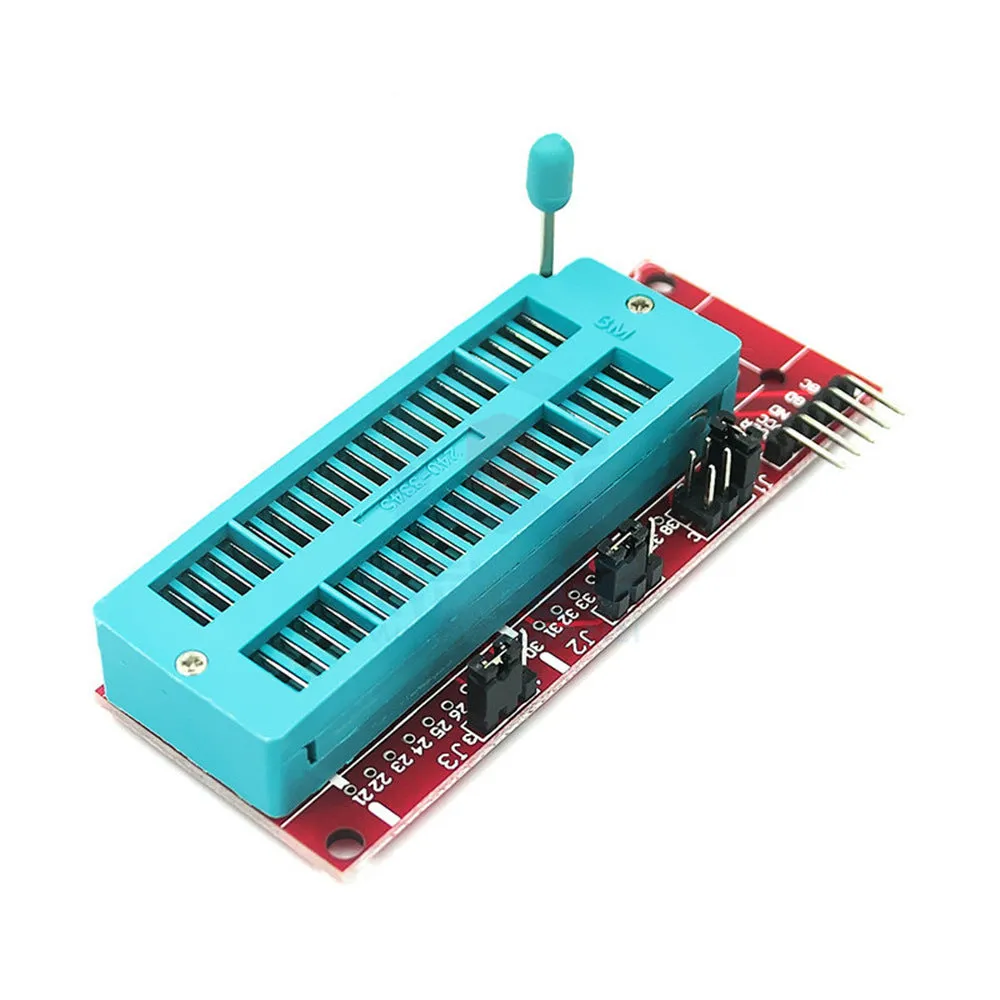
This offline simulation programmer burner is a dedicated hardware tool designed for developers and engineers working with Microchip PIC microcontrollers. Its core function is to allow for programming and simulation tasks without requiring a constant connection to a personal computer, enabling a standalone, hands-on development environment. The device is built for extensive power usage, supporting robust operation during programming cycles. It is supplied with three key interface sockets—ICD2, KIT3, and KIT3.5—providing broad compatibility with various PIC microcontroller families and their respective programming protocols, making it a practical centrepiece for electronics workshops and development benches.
Features and Construction
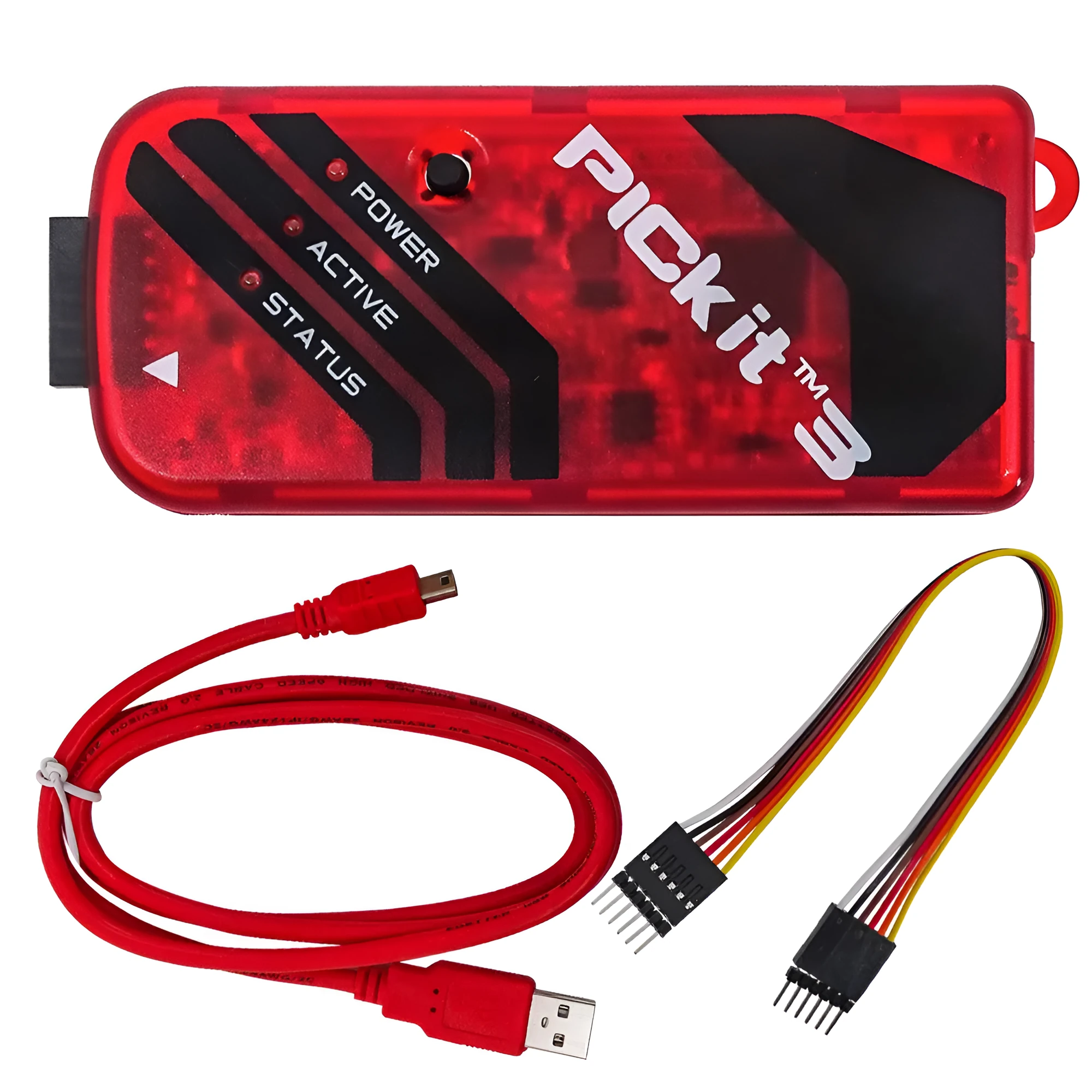
The programmer is constructed around the core functionality of reading, writing, and simulating microcontroller firmware offline. Its design prioritises reliable electrical connections and signal integrity for the programming process. The unit's architecture supports the power demands necessary for driving the programming voltages and communication signals required by PIC microcontrollers.
Material and Build
The programmer is assembled from standard electronic components including a PCB, integrated circuits for control and signal processing, power regulation circuitry, and durable connector ports. The construction focuses on creating stable connections between the host programmer and the target microcontroller via the provided sockets. The build is geared towards repeated use in a development setting, handling the insertion and removal of microcontroller chips.
Size and Practical Fit
As a benchtop tool, its form factor is designed for stability and easy access to its sockets and any status indicators. The specific dimensions and weight are optimised for placement alongside other test equipment, oscilloscopes, and power supplies typical in an electronics lab. The arrangement of the ICD2, KIT3, and KIT3.5 sockets allows clear labelling and access, reducing the chance of connection errors during use.
Uses and Placement
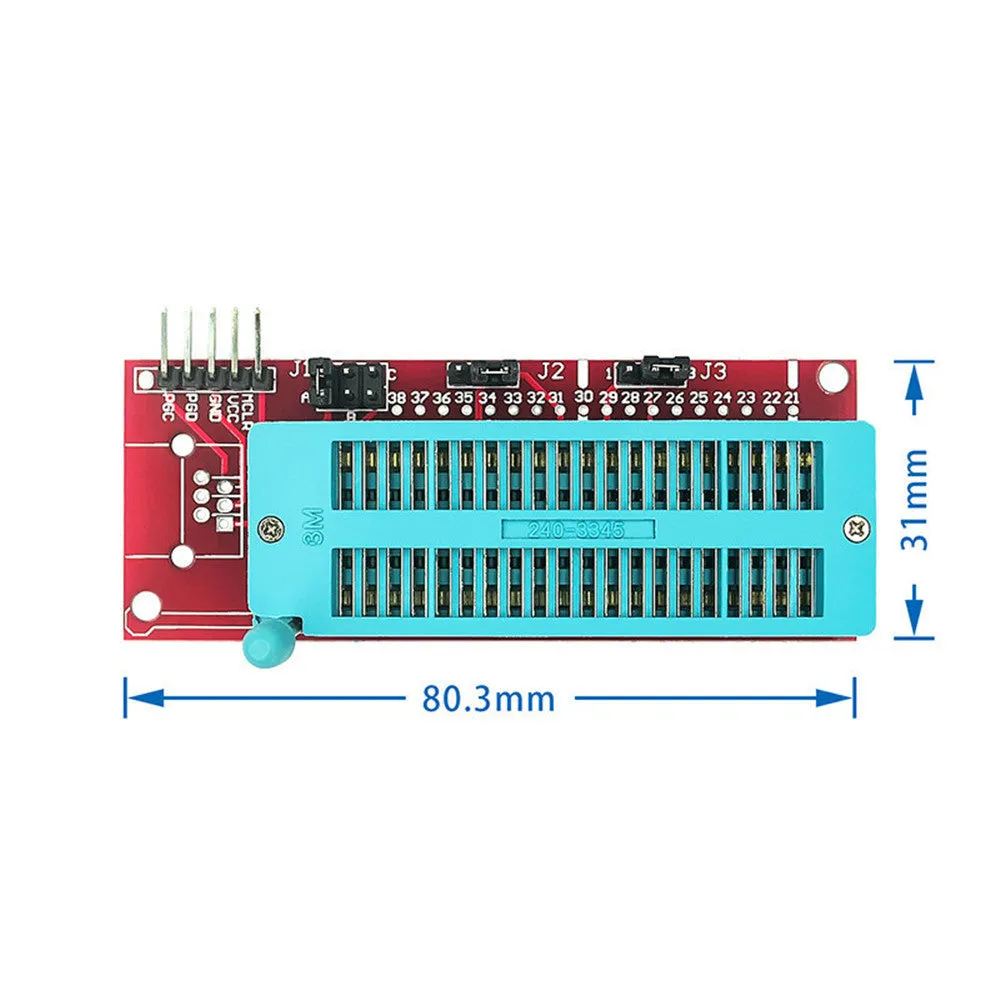
This burner is intended for environments where direct, PC-free interaction with hardware is either preferred or necessary. It serves as a bridge between written firmware code and the physical microcontroller chip, performing the final step of embedding software into the device's memory.
Event or Professional Use
In professional electronics manufacturing or prototyping labs, this tool allows for batch programming or quick firmware updates on production lines or testing jigs without dedicating a full computer to each station. For educational settings and training workshops, it provides students with a tangible, focused programming experience, separating the coding exercise on a PC from the hardware programming process. Its offline capability is also useful for field service engineers who need to reprogram devices on-site without carrying a laptop.
Everyday Home Use
For hobbyists and makers working on personal projects in a home workshop, this programmer simplifies the workflow. After developing code in an IDE on a computer, the final hex file can be transferred and used with this standalone burner, keeping the programming station separate from the design station. This can be particularly useful in spaces with limited desk space or for those who prefer a dedicated, always-set-up hardware programming area.
Benefits and Buying Value
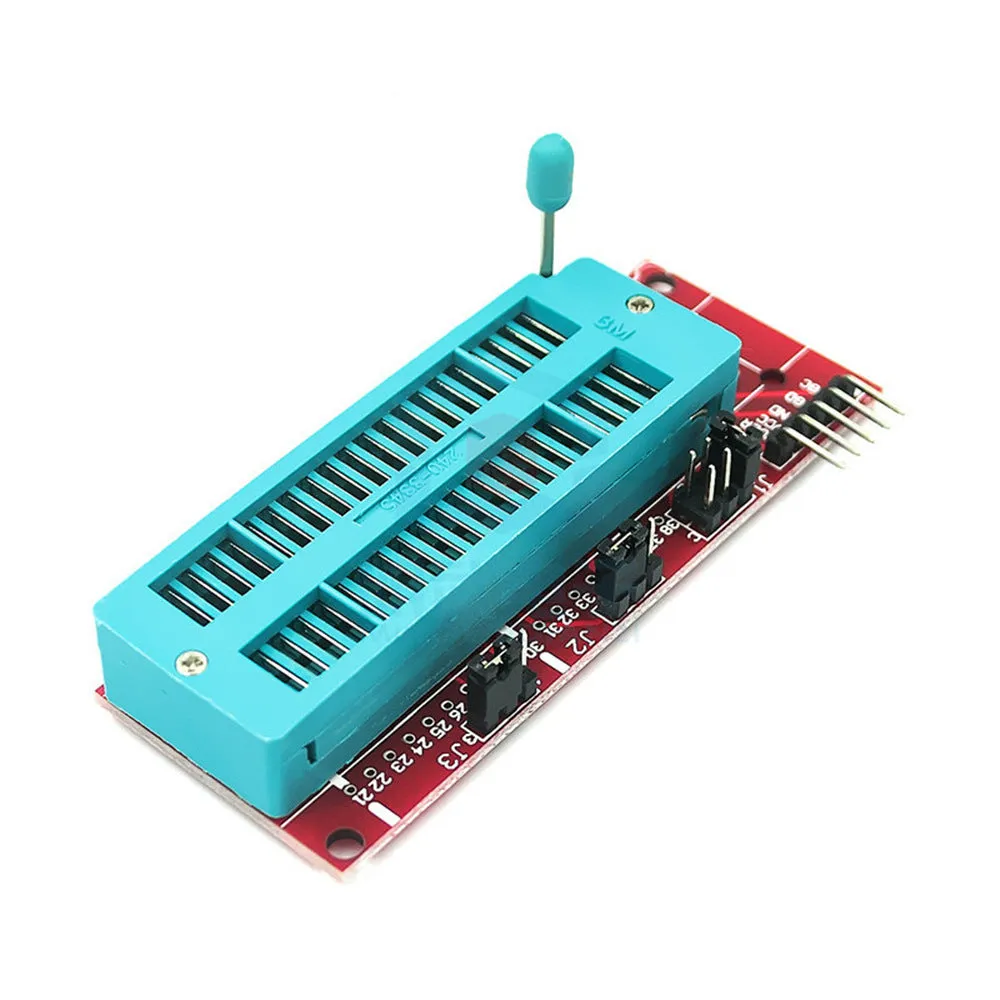
The value of this programmer lies in its focused functionality, eliminating software driver conflicts or operating system issues that can sometimes occur with PC-connected programmers. It turns the programming step into a reliable, hardware-centric operation.
Reuse and Low Maintenance
As a physical tool with no moving parts and based on standard socket connections, the programmer is built for longevity and repeated use across multiple projects. Maintenance typically involves only keeping the socket contacts clean. Its support for three socket types (ICD2, KIT3, KIT3.5) extends its usable lifespan, as it can adapt to different generations of PIC microcontrollers without requiring a new hardware investment.
Why Choose This Product
You would choose this offline simulation programmer burner if your work involves regular programming of PIC microcontrollers and you value a dedicated, reliable hardware tool. Its key advantage is the removal of the PC from the final programming step, which can increase robustness and simplify your workspace. The inclusion of three socket types offers immediate compatibility with a wide range of common PIC chips, providing good value by covering multiple potential needs with a single unit.