Imported tungsten carbide micro engraving bit with high hardness and high wear resistance for alloy processing, miniature bit diameters from 0.10mm to 2.00mm, suitable for circuit boards, electronics, SMT, die, and hardware machining applications.
Imported Tungsten Carbide Micro Engraving Bits for Precision Alloy Machining

This range of imported tungsten carbide micro engraving bits, often referred to as tungsten steel bits, is engineered for high-precision applications across electronics, hardware, and communications manufacturing. The core advantage lies in the material's intrinsic properties: high hardness and high wear resistance, which are critical for maintaining a sharp cutting edge when working with tough alloys. Available in a comprehensive set of miniature diameters—from an ultra-fine 0.10mm up to 2.00mm—they provide a practical tooling solution for professionals requiring exacting detail in circuit board fabrication, die production, and Surface Mount Technology (SMT) processes. The product's stated high strength also contributes to its resistance against bending and fracture under load, offering a degree of durability for demanding workshop environments.
Features and Construction
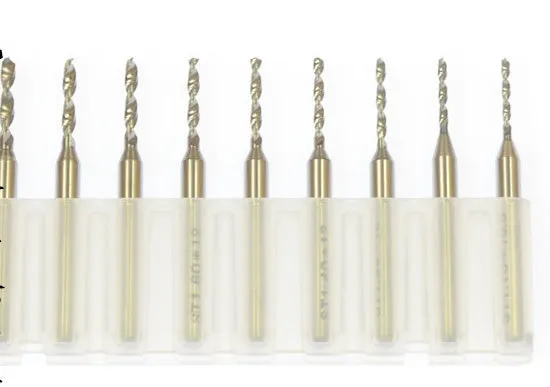
These micro bits are defined by their material composition and the extensive range of sizes offered, designed to address specific needs in micro-machining. The construction centres on the performance characteristics of tungsten carbide, while the variety of diameters ensures there is a suitable tool for numerous specialised tasks.
Material and Build
The bit is constructed from imported cemented carbide, known commercially as tungsten steel. This material is selected for its high hardness, which allows it to cut into hard alloys effectively without rapid dulling. The high wear resistance extends the usable life of the bit by reducing material loss from friction during operation. Furthermore, the source text specifically notes the bit possesses high strength, which translates to practical resistance against bending forces and fracture, an important consideration for slender, miniature tooling subjected to lateral pressures during engraving or milling.
Size and Practical Fit
The product offers a complete specification range, with over thirty distinct miniature diameter options detailed. Starting at 0.10mm, these bits cater to extremely fine engraving and drilling work, progressing incrementally through sizes like 0.30mm, 0.55mm, 1.10mm, up to 2.00mm for slightly larger features. This granularity allows users to match the bit diameter precisely to their design requirements, whether creating minute traces on a circuit board or fine details on a metal die. The availability of some diameters in ten-set bundles (e.g., 0.10mm, 0.30mm, 1.1mm) provides a convenient option for high-use scenarios where multiple identical bits are beneficial.
Uses and Placement
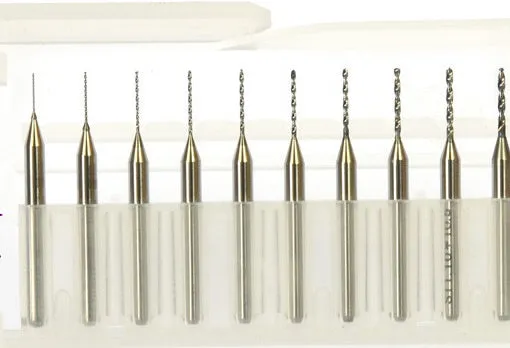
The application range for these bits is directly supported by the source text, which lists several key industries. Their use is grounded in the need for precision and material compatibility, rather than broad, unspecific claims.
Event or Professional Use
In professional manufacturing and prototyping environments, these bits are applicable to circuit board (PCB) fabrication for drilling micro-vias and engraving, electronics assembly, and SMT-related processes. They are also suited for die and mould making where fine details in alloy surfaces must be machined. The communications industry can utilise them for precision work on device components and connectors. Their performance in these settings is tied directly to the tungsten carbide's ability to handle hard materials consistently.
Everyday Home Use
While primarily industrial tools, advanced hobbyists, model makers, or jewellery crafters working with metal alloys may find the smaller diameter bits (such as 0.30mm to 1.00mm) useful for detailed personal projects involving engraving, light milling, or precision drilling on small metal parts. The key requirement is access to a suitable, stable micro-engraving machine or precision rotary tool capable of holding such small shank diameters.
Benefits and Buying Value
The value of these bits stems from their material properties and specification coverage, offering a targeted solution for specific technical challenges.
Reuse and Low Maintenance
The high wear resistance of the tungsten carbide material suggests a longer potential service life compared to standard high-speed steel bits when used on appropriate alloys, meaning the bit can be reused for more operations before replacement is needed. Maintenance is straightforward, primarily involving proper cleaning after use and secure storage to protect the delicate cutting edges from physical damage, as per general best practice for precision tooling.
Why Choose This Product
Choosing this product is justified when there is a clear need for a micro-diameter cutting tool made from a hard, wear-resistant material for alloy work. The extensive diameter range allows for precise tool selection, and the availability of multi-pack sets for common sizes adds convenience. Its value is concrete: it provides a specific tool for a specific set of applications—circuit boards, electronics, dies, hardware—where material compatibility and precision are non-negotiable requirements.