
Solar panel controller with Bluetooth connectivity, 12V/24V auto battery voltage, 20A discharge current, 100V maximum panel voltage, for solar controller systems and solar power management applications


Solar panel controller with Bluetooth connectivity, 12V/24V auto battery voltage, 20A discharge current, 100V maximum panel voltage, for solar controller systems and solar power management applications
BT-1 Bluetooth Solar Panel Controller with 12V/24V Auto Voltage and 100V Maximum Input
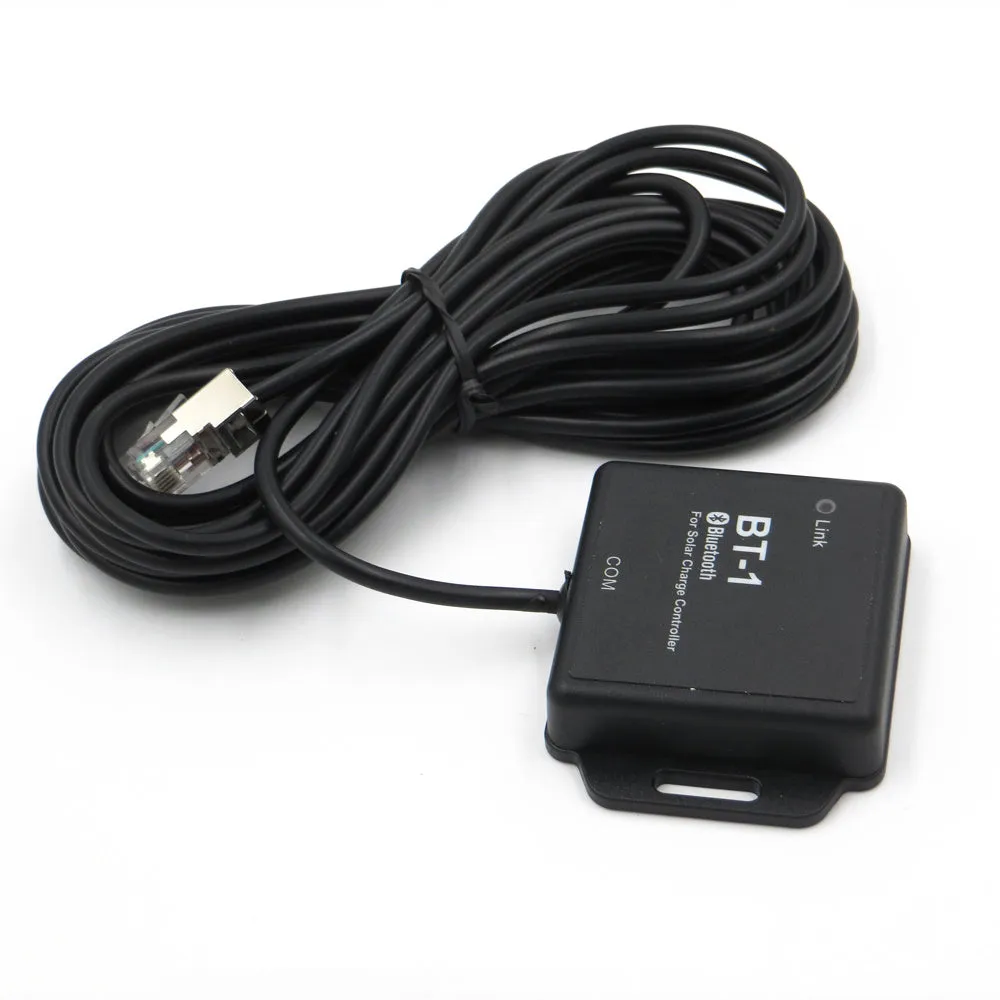
This solar charge controller serves as the central management unit for small to medium solar power systems, regulating the flow of electricity from solar panels to batteries. The BT-1 model features automatic voltage detection that identifies whether your system uses 12V or 24V batteries, eliminating manual configuration errors. With a maximum solar panel input voltage of 100V at standard 25°C temperatures (reduced to 90V in colder -25°C conditions), it accommodates various panel configurations while protecting against overvoltage. The integrated Bluetooth module enables wireless monitoring and control, allowing users to check system status and adjust settings remotely via compatible devices.
Technical Specifications and Capabilities
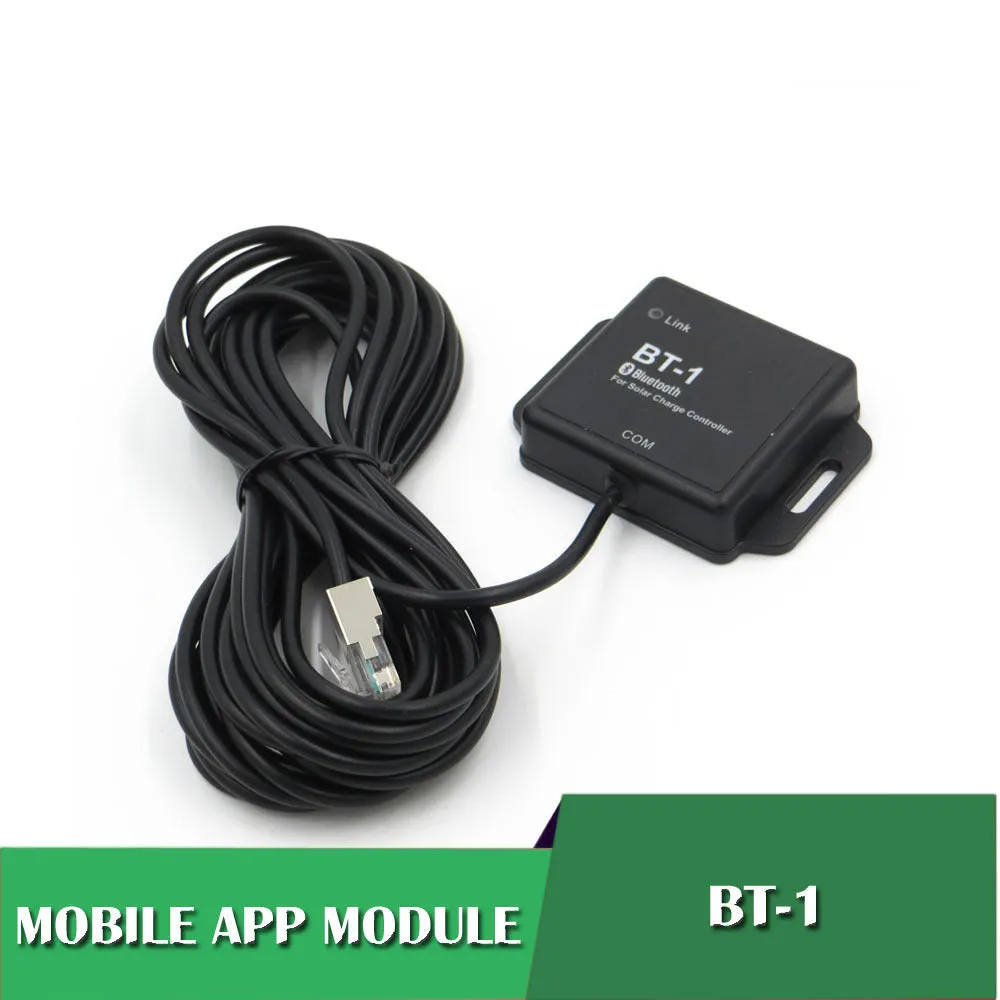
The BT-1 controller operates within defined electrical parameters that determine its compatibility with different solar setups. These specifications ensure safe operation while optimising power transfer from solar panels to your battery bank.
Voltage Compatibility Range
The controller automatically detects and adapts to both 12V and 24V battery systems, providing flexibility for different power storage requirements. This auto-detection feature simplifies installation by removing the need for manual voltage selection switches or configuration menus. The system continuously monitors battery voltage to ensure proper charging algorithms are applied based on the detected voltage level.
Power Handling Capacity
With a 20A discharge current rating, this controller can manage power flows suitable for various small to medium solar applications. The maximum solar panel voltage specification of 100V at 25°C accommodates multiple panel arrangements while the temperature-adjusted rating of 90V at -25°C accounts for performance variations in colder climates. These ratings define the upper limits of compatible solar array configurations.
Features and Connectivity
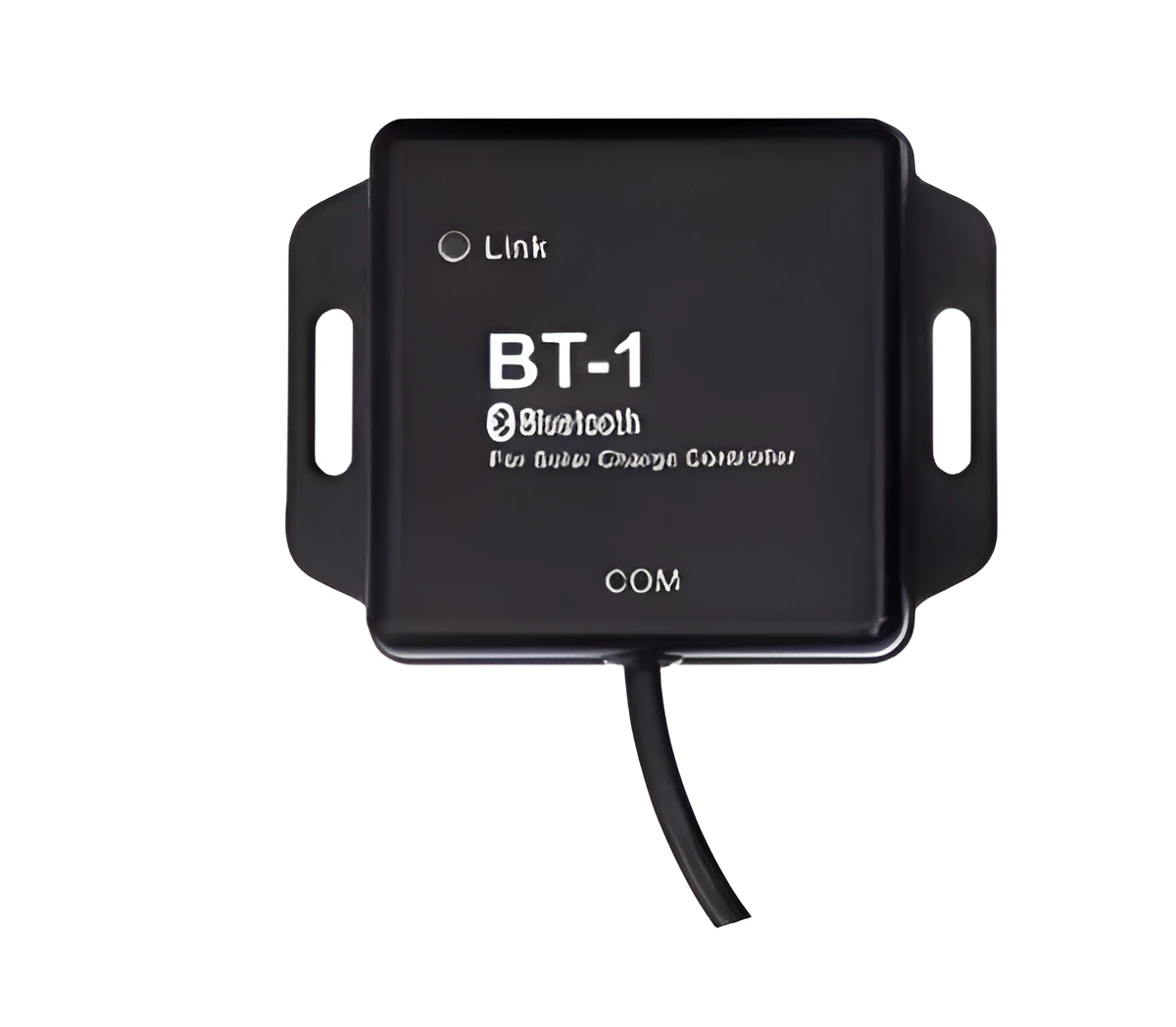
Beyond basic charge control functionality, the BT-1 incorporates specific features that enhance usability and system monitoring capabilities. These elements focus on practical improvements to solar power management.
Bluetooth Wireless Monitoring
The integrated Bluetooth module transforms basic system monitoring by enabling wireless connectivity to smartphones, tablets, or computers. This allows users to check charging status, battery voltage levels, and power input statistics without physically accessing the controller unit. Remote monitoring proves particularly valuable for systems installed in difficult-to-reach locations or for regular performance checks without direct inspection.
Solar Controller System Integration
Designed specifically for solar controller system applications, this unit manages the complete power flow from photovoltaic panels to battery storage. It prevents battery overcharging by regulating voltage and current according to battery requirements, extends battery life through proper charging algorithms, and protects against reverse current flow during nighttime conditions. The controller serves as the central component in complete solar power management setups.
Applications and Practical Use
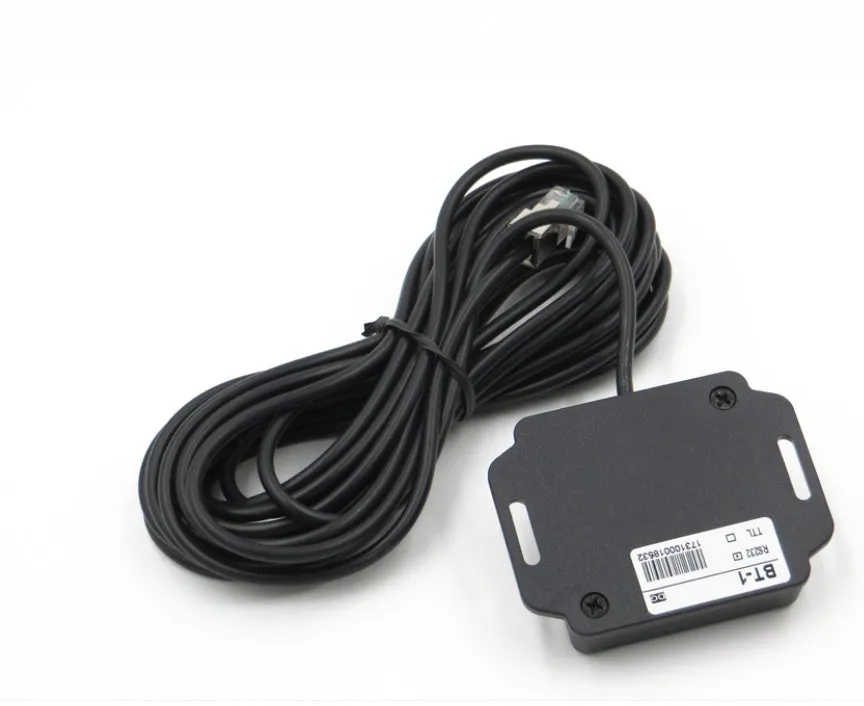
This solar controller finds application in various scenarios where regulated solar power conversion is required. Its specifications suit particular use cases within renewable energy systems.
Solar Power System Integration
The primary application is within solar controller systems for residential, recreational vehicle, marine, or small commercial installations. It manages the interface between solar panels and battery banks, ensuring efficient energy transfer while protecting system components. The controller's specifications make it suitable for off-grid systems, backup power setups, or supplemental power applications where solar charging supplements other power sources.
Remote Monitoring Scenarios
The Bluetooth functionality proves valuable in installations where regular physical inspection is impractical or inconvenient. This includes systems mounted on roofs, installed in weatherproof enclosures, or located in separate outbuildings. Remote monitoring enables performance checks, fault diagnosis, and system status verification without requiring direct access to the controller unit itself.