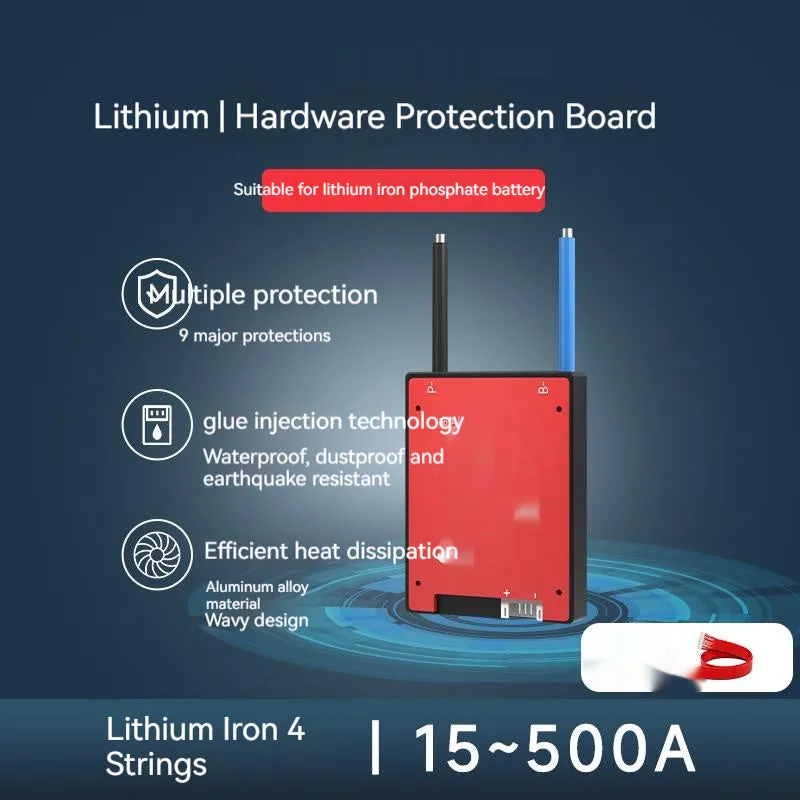
Lithium iron phosphate battery protection board for 4S LiFePO4 battery systems, available in 12V configurations from 15A to 500A with balanced and fan-cooled options for solar, RV, marine, and backup power applications


Lithium iron phosphate battery protection board for 4S LiFePO4 battery systems, available in 12V configurations from 15A to 500A with balanced and fan-cooled options for solar, RV, marine, and backup power applications
Dali 4S Lithium Iron Phosphate Battery Protection Board for 12V Systems
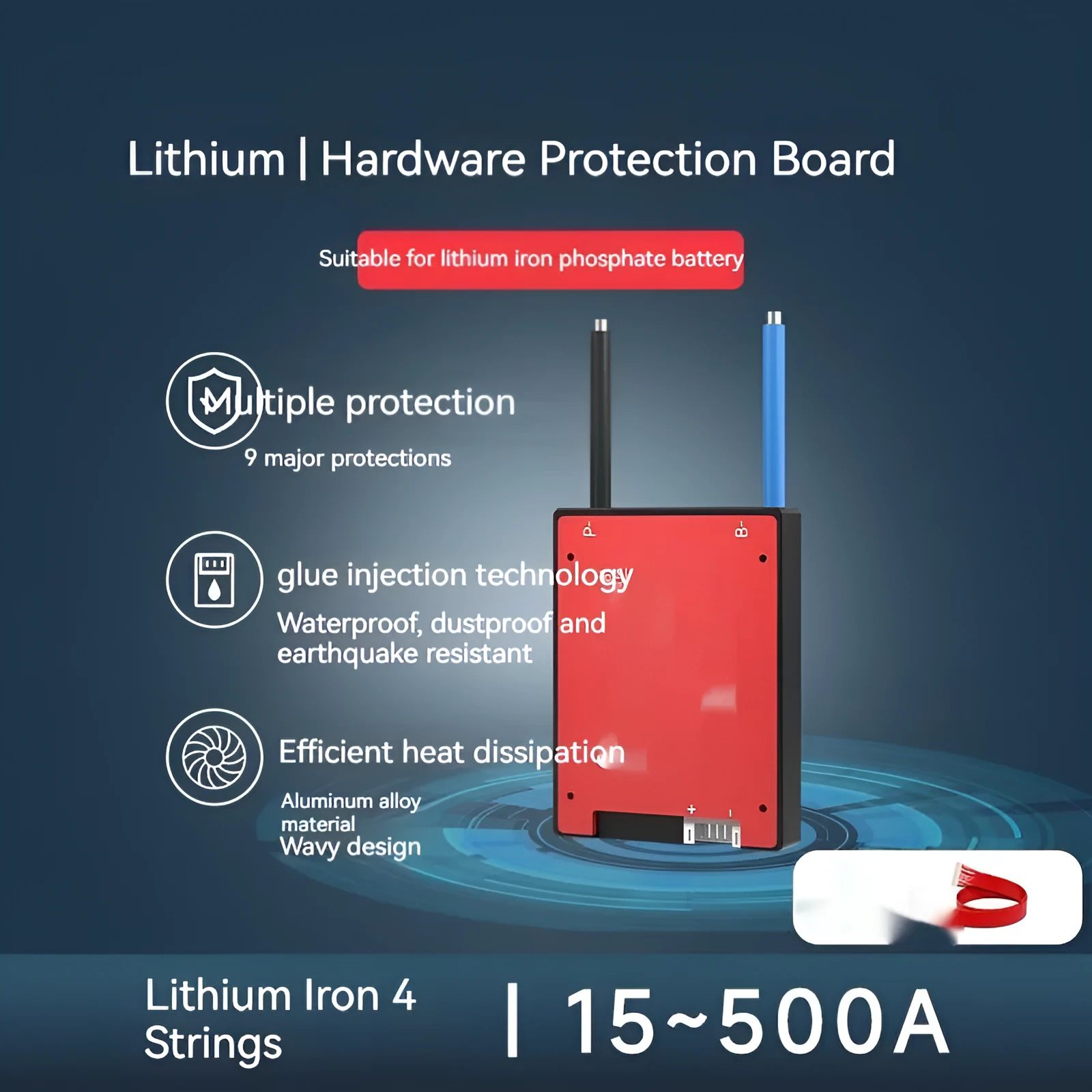
This comprehensive range of battery protection boards, commonly referred to as Battery Management Systems (BMS), is engineered specifically for safeguarding 4-cell series (4S) lithium iron phosphate (LiFePO4) battery packs. Operating at a nominal 12V, these boards are fundamental components for DIY energy storage, solar power setups, recreational vehicles, marine applications, and backup power solutions. Their primary role is to monitor and manage the battery pack, providing critical protection against conditions like overcharging, over-discharging, short circuits, and excessive current draw, which are essential for maintaining battery health and safety. The series offers an extensive selection of continuous current ratings, allowing users to match the BMS precisely to their system's power demands.
Features and Construction
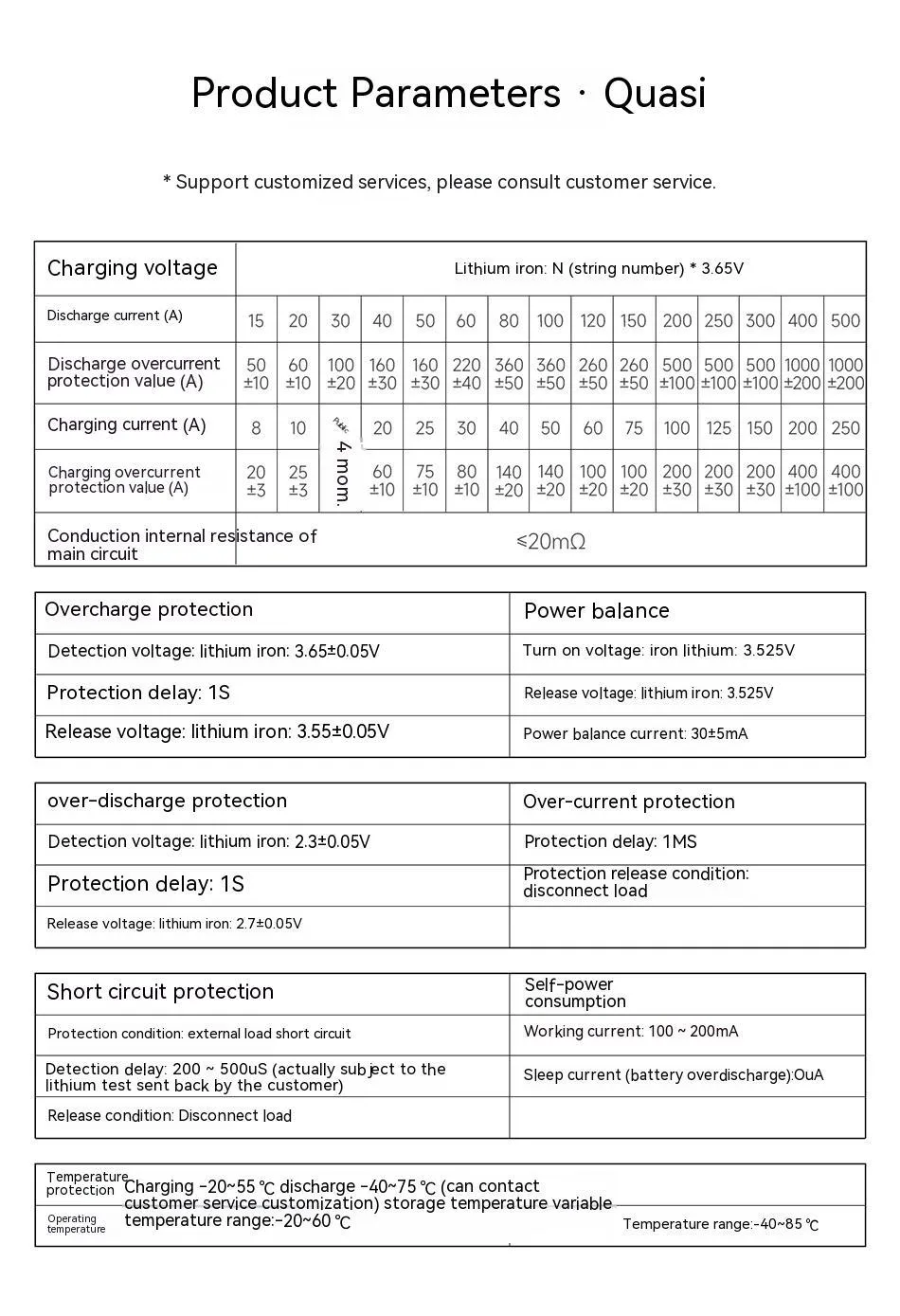
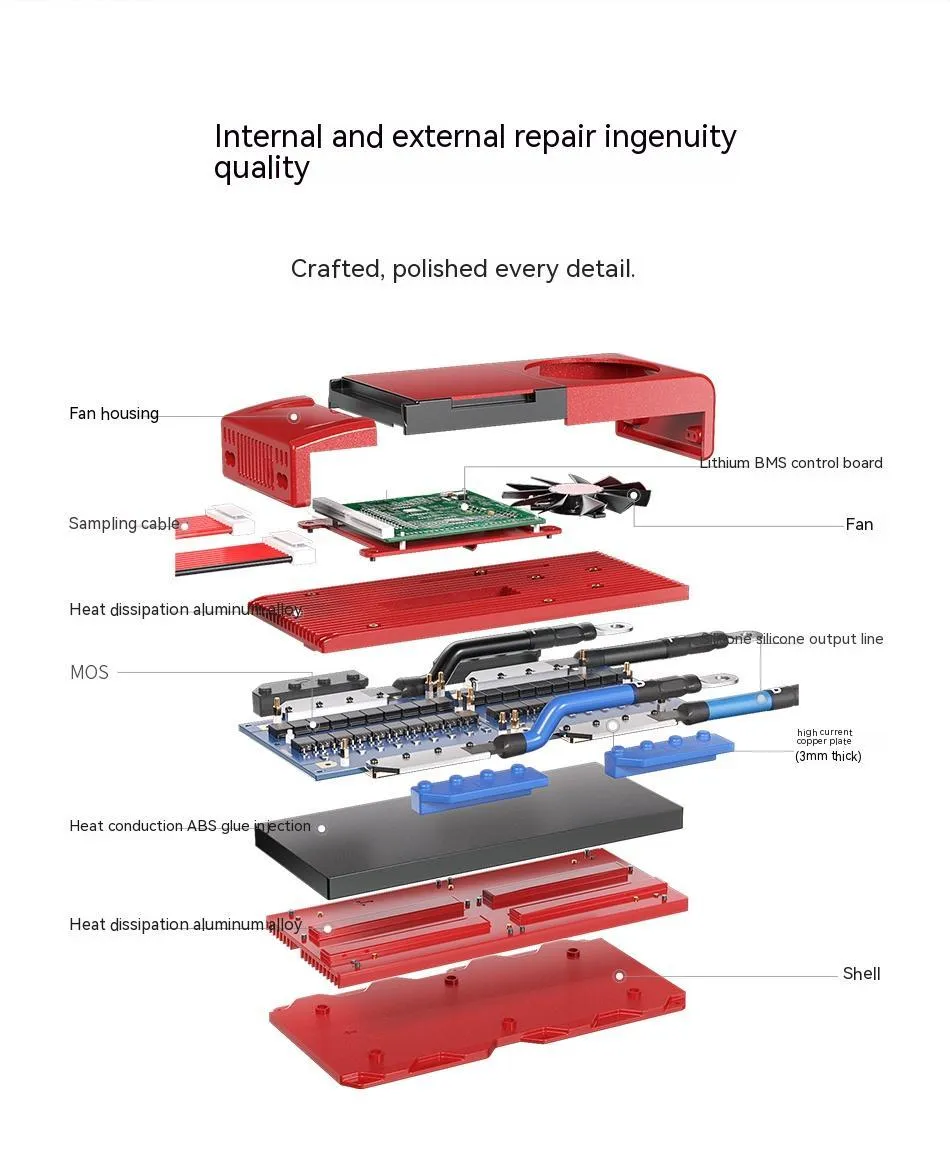
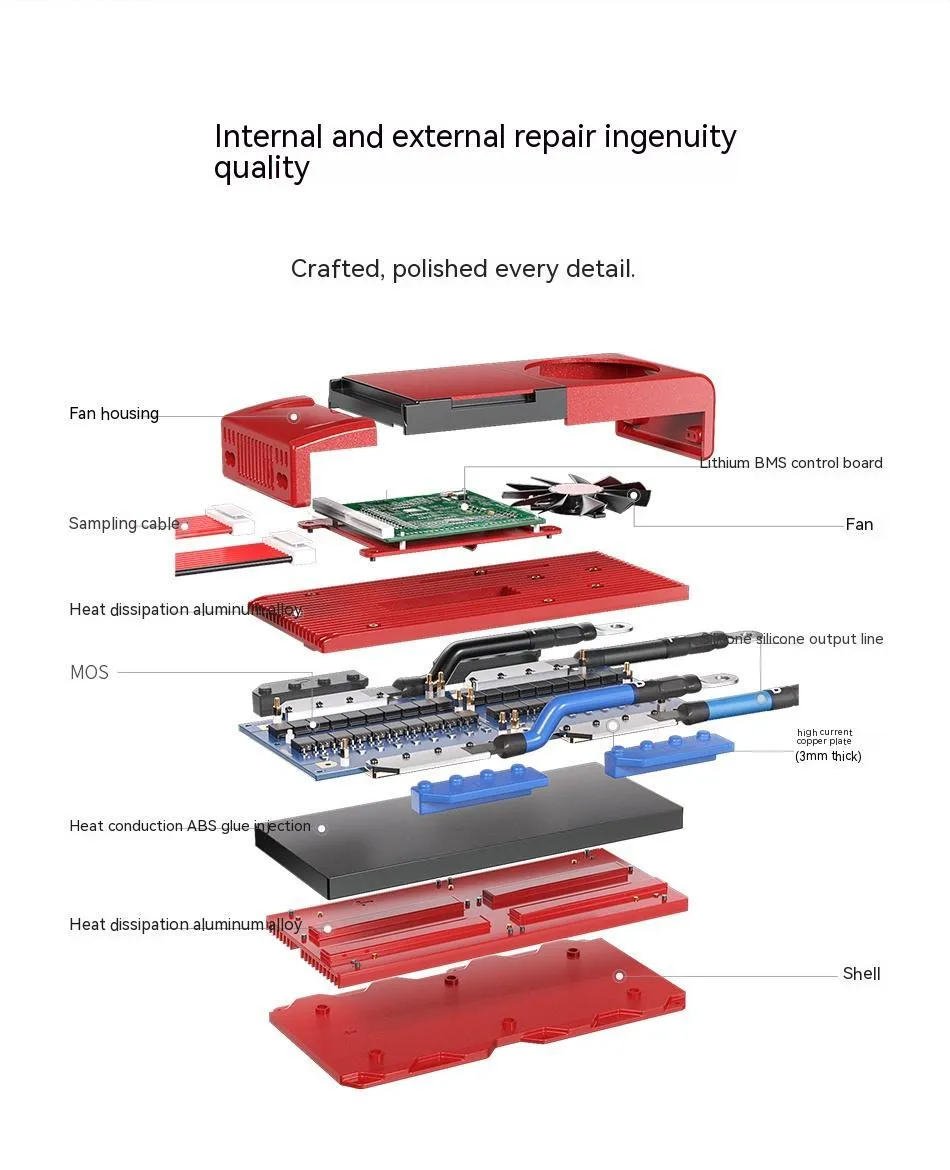
The Dali protection board series is defined by its application-specific design and scalable amperage options. Built around managing 4S LiFePO4 chemistry, each unit facilitates safe charging and discharging cycles. The construction focuses on reliable protection circuitry, with higher-amperage models incorporating additional thermal management features.
Material and Build
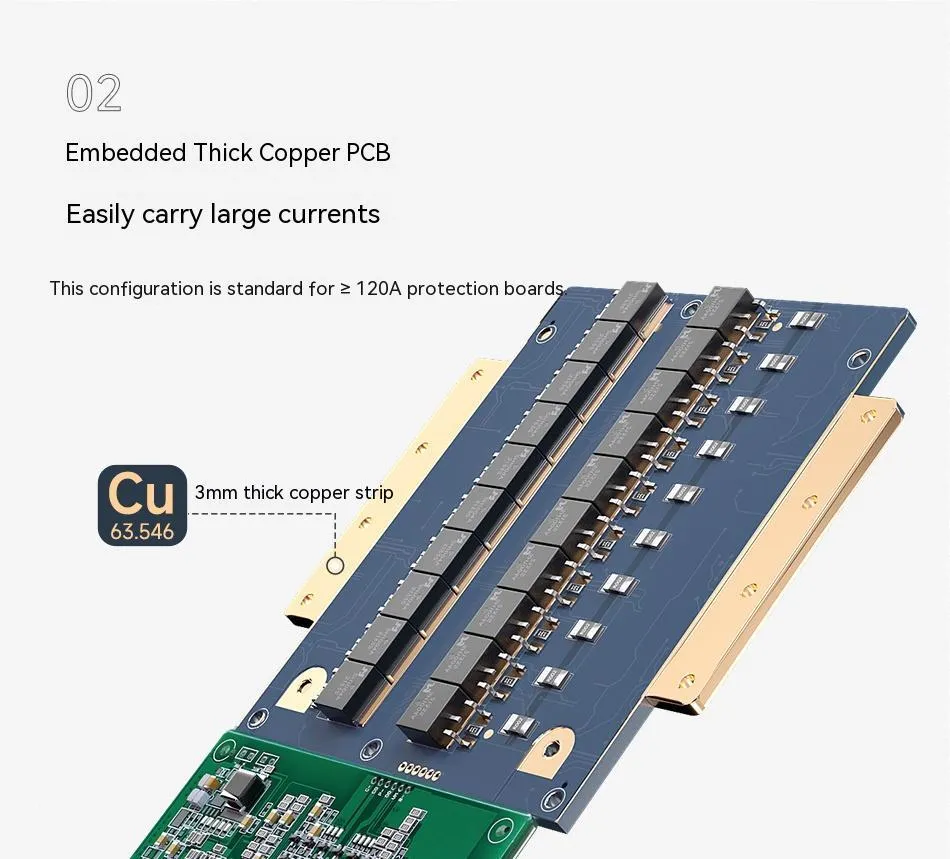
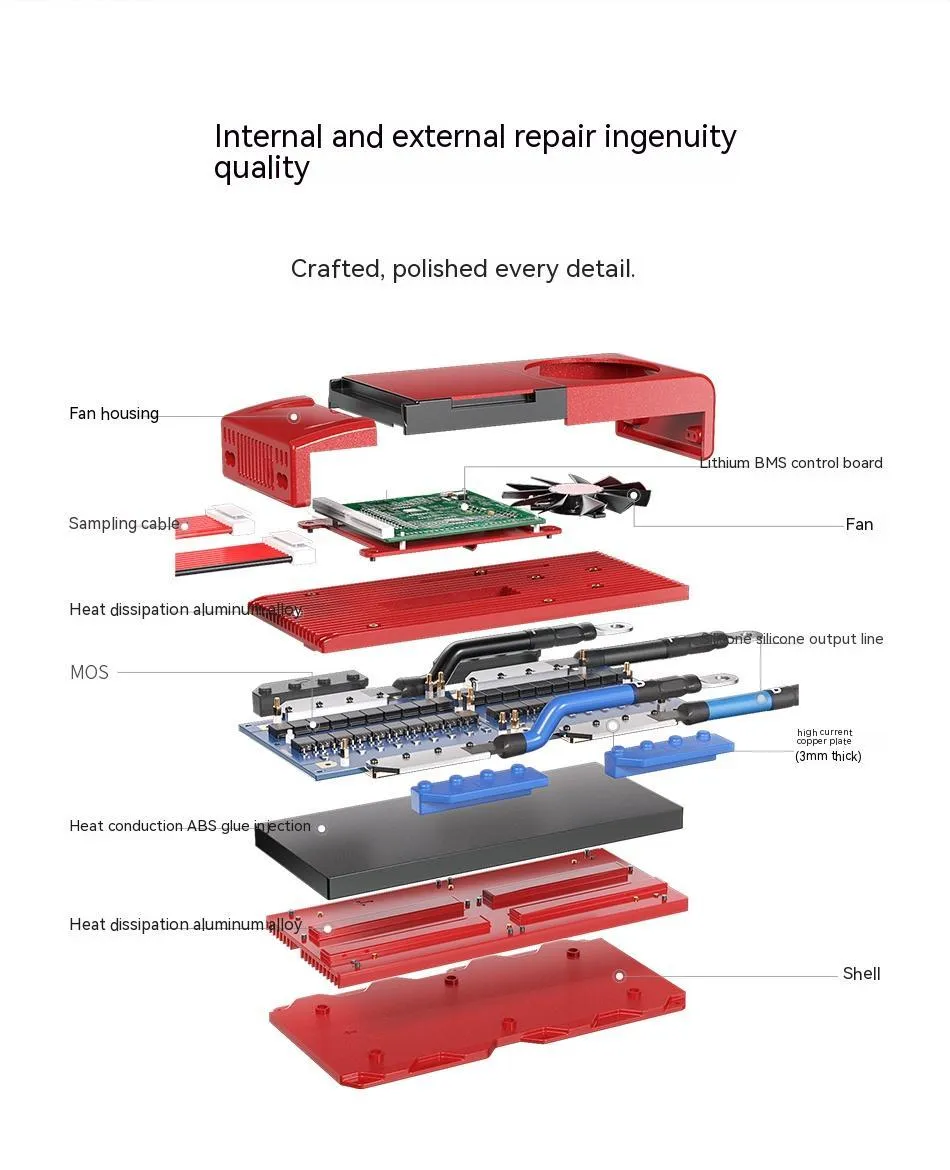
The core of the unit is a printed circuit board (PCB) populated with the necessary electronic components to perform voltage monitoring, current sensing, and switching functions. For models designated as 'with fan', an integrated cooling fan is added to the assembly. This fan actively dissipates heat generated during high-current operation, which is a practical consideration for maintaining component reliability and longevity in demanding 80A to 500A applications. The source text does not specify further details on component grades, MOSFET types, or communication interfaces like UART or CAN bus.
Size and Practical Fit
While exact physical dimensions are not specified, the product range accommodates a vast spread in current-handling capability, which typically correlates with the size and heat sink requirements of the internal components. A 15A BMS will have a considerably smaller physical and thermal footprint than a 500A model with a large fan. This means installers must account for varying space requirements when selecting a model. The 'same port' design simplifies wiring by using a common connection point for both the charge and discharge paths, which can lead to a cleaner installation in a battery enclosure.
Uses and Placement
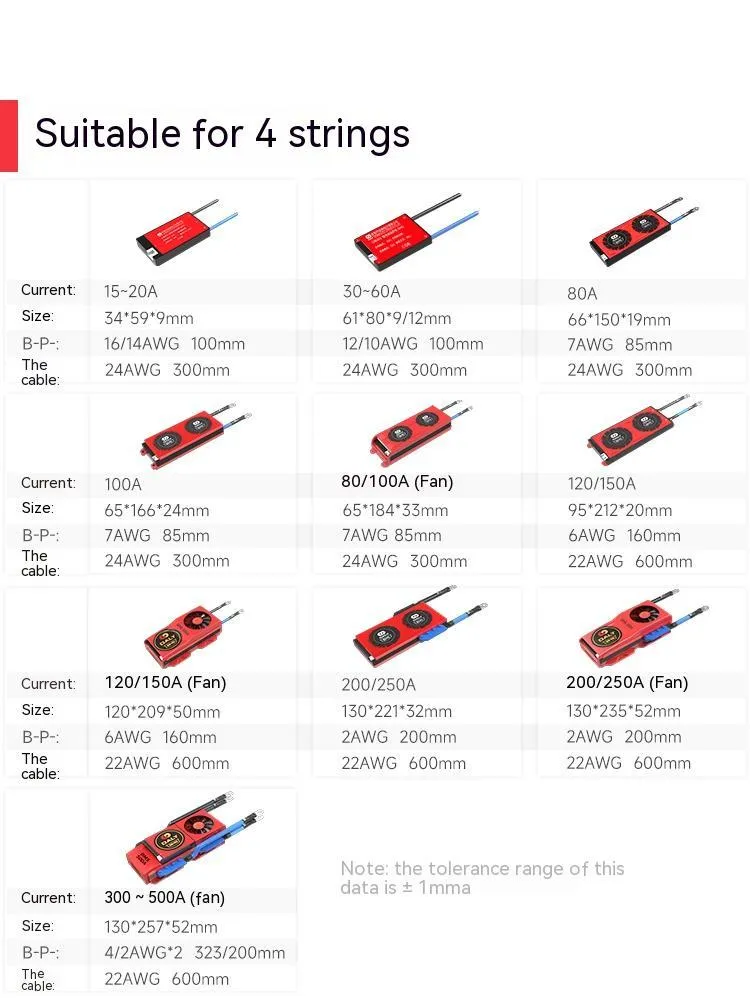
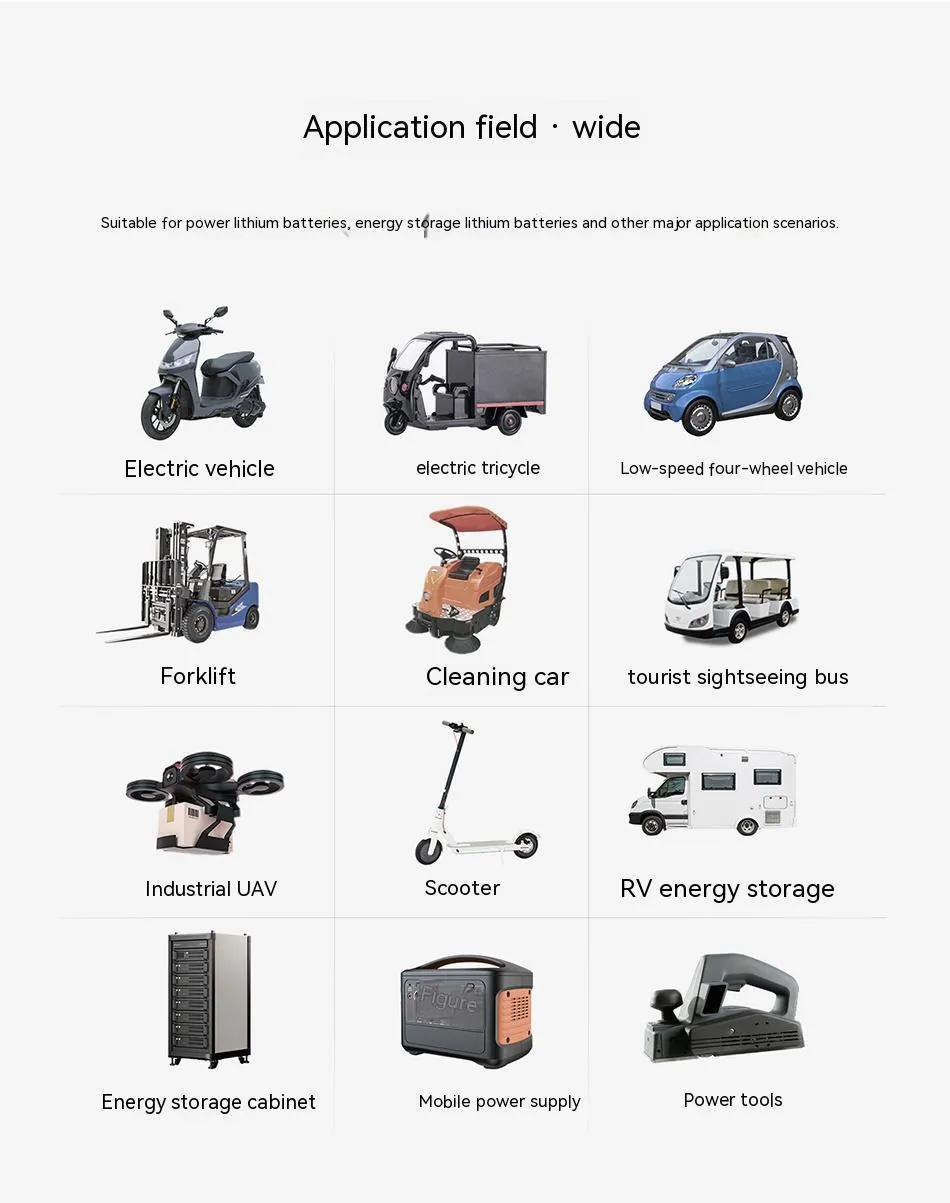
The versatility in amperage ratings makes this BMS series suitable for a broad spectrum of 12V LiFePO4 battery projects. Selecting the correct current rating is the most critical step in ensuring the system functions safely and as intended.
Event or Professional Use
For high-power professional, commercial, or heavy-duty applications, the upper range of models (200A to 500A) with integrated cooling fans is relevant. These could be deployed in electric vehicle conversions, large off-grid solar inverters, heavy-duty industrial equipment, or as part of substantial backup power banks where peak currents are very high. The active cooling provided by the fan is a key feature here, helping to manage the significant heat generated under continuous high load.
Everyday Home Use
For common residential and hobbyist projects, the mid-to-lower range models (15A to 150A) are often sufficient. These are ideal for solar-powered garden sheds, caravan or motorhome house batteries, home energy storage systems paired with small inverters, electric bicycles, scooters, and portable power stations. The balanced function, common to all versions, is particularly beneficial in these applications where the battery pack may experience regular cycles, as it helps keep the four individual cell voltages aligned, promoting overall pack capacity and lifespan.
Benefits and Buying Value
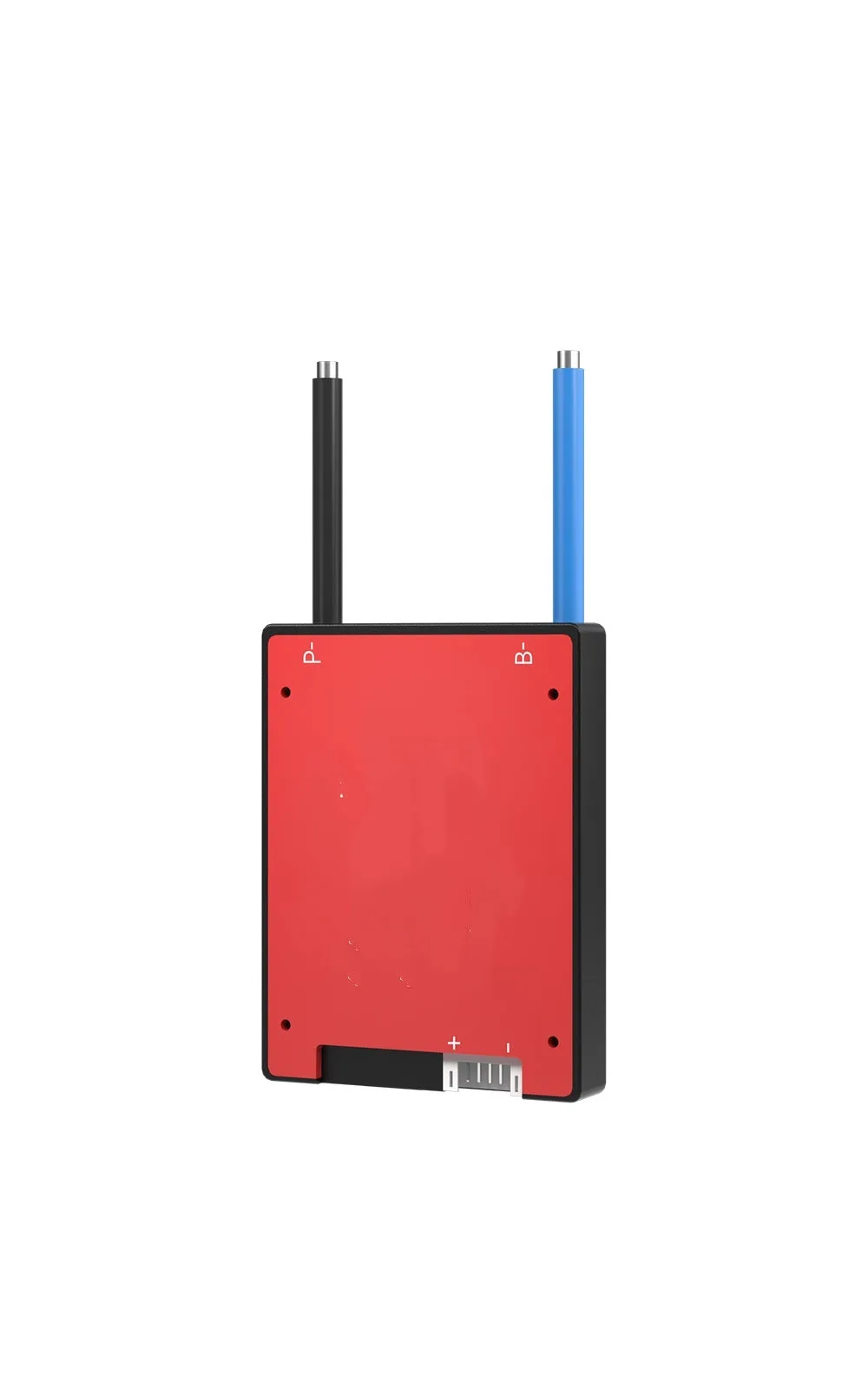
The value of this BMS series lies in its targeted functionality, range of options, and the essential protection it provides to a potentially expensive battery investment.
Reuse and Low Maintenance
A correctly specified and installed BMS requires minimal ongoing maintenance. Its primary job is automated protection. The balancing function works passively during the charging cycle to correct minor cell voltage imbalances. For fan-equipped models, the only moving part is the fan itself, which may require occasional checks for dust buildup to ensure unobstructed airflow. By preventing abusive conditions, the BMS contributes directly to the long-term usability and cycle life of the connected LiFePO4 battery pack.
Why Choose This Product
Choosing this product comes down to matching its clear specifications to your project needs. The definitive advantage is the wide and clear amperage selection within the 4S LiFePO4 niche. Instead of settling for an under- or over-specified board, you can select a 30A, 100A, or 300A model with confidence that it is designed for your chemistry and configuration. The option for integrated active cooling on higher-power models addresses a real thermal challenge, while the availability of simpler balanced-only models keeps solutions cost-effective for lower-power applications. It provides a focused solution without unnecessary complexity for standard 12V systems.